
PTSD Therapist Colorado
Trauma and EMDR Therapy Online
You didn't plan to still be carrying this. Maybe something happened years ago, or maybe it feels more recent. Either way, certain sounds, situations, or ordinary moments pull you right back. You feel on edge in places that should feel safe. You're exhausted from working so hard just to get through the day.
If you're in Colorado and looking for a PTSD therapist, you can get started here. Bruno Nora LPC, PsyD-C is a licensed clinical professional counselor, he is in the last stage of accomplishing a doctorate in Clinical Psychology. holds EMDR certification dating to 2018, Clinical Trauma Professional certification, and a doctorate in Clinical Psychology, with more than 20 years of experience treating adults with PTSD, trauma from abuse, loss, accidents, and childhood experiences. Sessions are available statewide via telehealth at $150 per 55-minute session, self-pay.
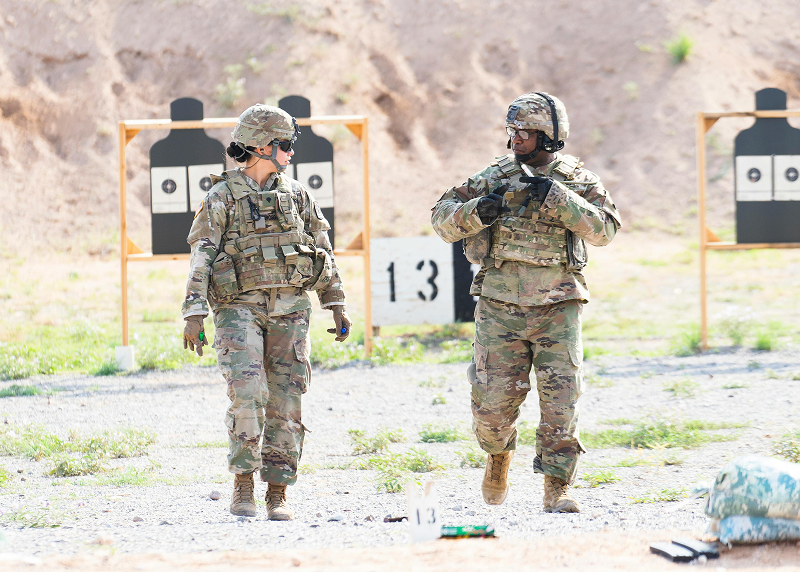
What You're Experiencing Has a Name
PTSD doesn't always look the way people expect.
PTSD often shows up not as a single memory but as a pattern — flashbacks and intrusive thoughts that surface without warning and pull you back into moments you've worked hard to move past.
Some people don't recognize their experience as PTSD because it doesn't look like what they've seen in films. It looks more like hypervigilance and feeling unsafe after trauma, a constant low-level alertness that never fully turns off.
PTSD can develop from abuse, accidents, loss, medical trauma, childhood experiences, or cultural stressors like racism and xenophobia. There's no suffering threshold. If what happened changed how you move through the world, that's enough.
Who This Is For
This is for adults in Colorado who are tired of managing symptoms on their own and ready to try something that goes deeper.
You might have trouble sleeping. You might find yourself pulling away from people you trust. You might feel a physical tension you can't explain, or a shame that doesn't connect to anything you can name. You might look fine from the outside while feeling like you're holding everything together with both hands.
You don't have to be in crisis to reach out. You just have to be ready to stop white-knuckling it.
How the Work Actually Happens
Bruno's work is grounded in trauma therapy — a relational, trauma-informed approach that helps clients process what happened to them without having to relive it in a way that feels overwhelming.
For many clients, EMDR therapy becomes a key part of this process, using bilateral stimulation to help the brain reprocess traumatic memories that have stayed stuck.
EMDR doesn't erase what happened. It changes the way those memories are held. The same memory can eventually be recalled without the same flood of sensation, panic, or shame that used to come with it.
His background and training include more than two decades of work with clients carrying trauma from a wide range of experiences, and his approach draws on CBT, mindfulness, and Narrative Therapy, tailored to what actually fits you.
What Sessions Look Like
All sessions are online. You can do this work from wherever you feel most settled.
Your first session is a conversation. There's no pressure to share everything at once. The pace is yours to set, and that doesn't change as sessions continue.
From there, the work is built around your specific history, your goals, and what your nervous system actually needs. Some clients work through one defining experience. Others have been carrying things for decades and need more time. Both are valid starting points.
What You Might Notice Over Time
You might start sleeping more consistently. You might feel less hijacked when something triggers you. You might find it a little easier to trust yourself, or to be around the people you care about without bracing.
These shifts don't happen on a fixed schedule. What you won't be expected to do is just talk about what happened without any structure or tools for what to do with it.
Bruno is licensed in Colorado, Oklahoma, and New Mexico, and offers EMDR therapy for clients seeking this same approach.
Questions People Ask Before Starting
Does PTSD actually get better, or do you just get better at hiding it?
Yes, it can get genuinely better. PTSD is one of the most treatable mental health conditions, particularly with trauma-focused approaches like EMDR. The goal is real reduction in how much the past disrupts your present, not just improved management of symptoms you've learned to work around.
Do I have to talk through everything that happened for this to work?
No. You won't be asked to narrate your trauma in full. EMDR works without extensive verbal processing of memory content. You go as deep as you're ready to go, and that boundary stays yours throughout treatment.
I've tried therapy before and it didn't help. Why would this be different?
Specialization matters. General talk therapy and trauma-focused treatment are not the same thing. Bruno holds specific EMDR and Clinical Trauma Professional certifications and has worked with trauma clients for over two decades. If what you've tried before felt too broad or didn't move anything, a more concentrated clinical focus tends to produce a different experience.
Can online therapy actually help with PTSD?
Yes. Telehealth trauma therapy is effective. For many people, being in a familiar space makes it easier to stay grounded during difficult sessions. The clinical approach doesn't change based on format. Sessions are conducted via secure video, and the work is the same.
A Place to Start
You don't have to have it figured out before reaching out. Most people don't. If you're unsure whether this is the right fit, a free 20-minute consultation is available, no commitment, just a conversation.
Live In The Present And For The Future—Instead Of At The Mercy Of The Past
If life feels heavy and hard to manage, I’m here to help you find relief and healing. Let’s take the next step together.
